Article: Microplastics in Your Food: 6 Simple Ways to Reduce Exposure at Home
Microplastics in Your Food: 6 Simple Ways to Reduce Exposure at Home
Microplastics in Your Food: 6 Simple Ways to Reduce Exposure at Home
Microplastics are no longer just an environmental issue. Scientists have found tiny plastic particles in our oceans, rivers, drinking water and food supply, but that's only part of the story.
Recent research has detected microplastics in human blood, lungs, placentas and other organs. Studies have even found microplastic particles in unborn babies, highlighting just how widespread plastic pollution has become.
While researchers are still working to understand the long term health implications, many people are asking a simple question: how can we reduce the amount of plastic that comes into contact with our food every day?
The answer isn't to throw out everything in your kitchen. Instead, it's about making practical choices that reduce unnecessary exposure to disposable plastics, particularly when storing, heating and transporting food.
In this article, we'll look at where microplastics come from, how they can enter our food, and some simple changes that may help reduce your reliance on single use plastics in the kitchen.
What Exactly Are Microplastics?
Microplastics are tiny pieces of plastic less than 5 millimetres in size. Some are manufactured at that size, while others are created when larger plastic items such as bags, bottles, packaging and synthetic fabrics gradually break down over time.
Because plastic does not biodegrade in the same way as natural materials, it fragments into smaller and smaller particles that can persist in the environment for decades. Many microplastics are so small that they are invisible to the naked eye.
A single human hair is typically around 70 microns wide. Some microplastics are smaller than this, making them impossible to see without magnification.
Scientists have now detected microplastics in oceans, rivers, soil, drinking water, food, human blood, lungs, placentas and other organs. Researchers have even found microplastic particles in unborn babies, highlighting just how widespread these materials have become.
You may have heard claims that the average person consumes the equivalent of a credit card's worth of plastic every week. While early studies suggested this could be possible, more recent scientific reviews have questioned those estimates and concluded that the true amount is still uncertain. What is clear, however, is that microplastics are now present throughout our environment and are being detected in places where they were never expected to be found.
Scientists are particularly interested in the smallest particles, known as nanoplastics, because their tiny size may allow them to move more easily through living tissues and biological systems.
How Do Microplastics Get Into Our Food?
Microplastics can enter our food long before it reaches our kitchens.
Tiny plastic particles have been found in soil, rivers, oceans and the air we breathe. Crops can absorb contaminants from the environment, while seafood may ingest microplastics present in waterways. Researchers have also detected microplastics in common foods including seafood, salt, honey, fruit and vegetables.
Food packaging is another source of exposure. Many foods are wrapped, stored or transported in plastic throughout the supply chain. Over time, plastic materials can wear down, releasing microscopic particles that may find their way into the food we eat.
Leftovers, cut fruit and prepared meals are often stored in plastic containers for hours or days at a time, creating another common point of contact between food and plastic.
At home, everyday habits can also increase contact between food and plastic. Disposable sandwich bags, cling wrap, takeaway containers and worn plastic food storage containers are all part of modern life. While it's impossible to avoid plastics entirely, reducing unnecessary contact is a practical step many households are choosing to take.
Heat and Plastic: Why It Matters
Heat can accelerate the breakdown of many plastic materials. When plastic containers, wraps or packaging are exposed to high temperatures, they may release microscopic particles and chemicals more readily than they would under normal conditions.
This is one reason many health experts recommend avoiding heating food in disposable plastic containers or using damaged plastic food storage containers in the microwave. Scratches, wear and repeated exposure to heat can increase the deterioration of plastic surfaces over time.
While researchers are continuing to study exactly how much microplastic exposure occurs during food preparation and storage, reducing the amount of heated plastic that comes into contact with food is a simple precautionary step. Using alternatives such as glass, stainless steel or food grade silicone for food storage and reheating can help minimise unnecessary plastic exposure in the kitchen.
What About Plastic Drink Bottles?
Plastic drink bottles are one of the most common ways we come into contact with plastic every day. Whether it's a disposable bottle of water, a sports bottle at the gym or a reusable drink bottle carried to work, many of us drink from plastic containers multiple times a day.
Research has found microplastic particles in bottled water. While the exact sources can vary, scientists believe they may come from a combination of the water source, the bottling process and the plastic packaging itself.
Heat may make the issue worse. Leaving plastic drink bottles in a hot car, direct sunlight or other high temperature environments can accelerate the breakdown of the plastic over time. Repeated squeezing, flexing, washing and everyday wear can also contribute to deterioration.
While food grade plastics are designed to be safe for their intended use, many people are choosing alternatives such as stainless steel or glass drink bottles to reduce their reliance on plastic altogether. These materials are durable, reusable and do not contain plastic in the body of the bottle itself, making them popular choices for everyday hydration.
For those looking to reduce plastic exposure where practical, switching to a stainless steel or glass drink bottle is one simple change that can be used every day.
Is a Reusable Sandwich Wrap Better Than Cling Wrap?
For many households, the answer comes down to reducing unnecessary contact with disposable plastics.
Traditional cling wrap is designed to be used once and discarded. It comes into direct contact with food and is often used day after day for sandwiches, snacks and leftovers.
Reusable sandwich wraps take a different approach. Instead of reaching for a new piece of plastic each time, the same wrap can be used repeatedly for months or even years. This reduces the amount of disposable plastic brought into the home and dramatically cuts plastic waste over time.
While researchers continue to investigate the role of microplastics in our food and environment, many families are choosing reusable alternatives simply because they reduce reliance on single use plastics and offer a more sustainable way to pack lunches and snacks.
For parents, the decision is often a simple one. While it may not be possible to eliminate plastic exposure entirely, choosing reusable alternatives can reduce the amount of disposable plastic that comes into contact with food every day.
Not All Plastics Are Used the Same Way
When discussing microplastics, it's important to recognise that not all plastic products have the same environmental impact or lifespan.
Many disposable plastics are designed to be used once and discarded. These items can quickly become waste and, over time, may break down into smaller plastic fragments in the environment.
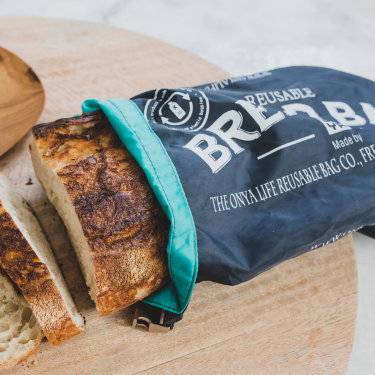
By contrast, products made from recycled PET (rPET) are designed for repeated use over many years. Reusing a durable shopping bag, produce bag or bulk food bag hundreds of times can significantly reduce the number of disposable plastic bags entering the waste stream.
At Onya, we choose recycled PET because it gives existing plastic materials a second life while helping reduce demand for new virgin plastic. The goal is not simply to replace one item with another, but to reduce the overall amount of single use plastic consumed over time.
The most sustainable product is often the one that is used again and again rather than thrown away after a single use.
6 Simple Ways to Reduce Plastic Exposure at Home
• Carry a reusable shopping bag instead of accepting single use bags
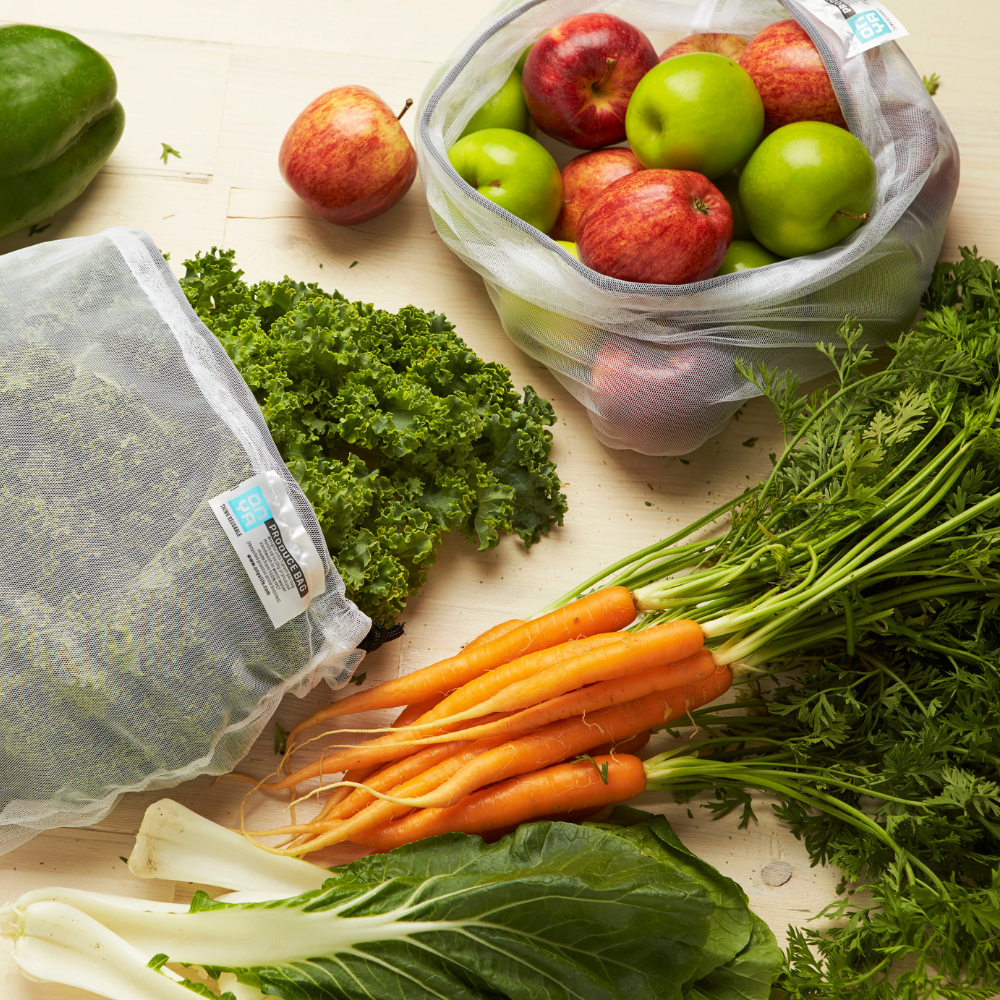
• Use reusable produce bags for fruit and vegetables
• Store leftovers in glass, stainless steel or food grade silicone containers
• Pack lunches using reusable sandwich wraps and food pouches
• Choose a reusable stainless steel or glass drink bottle
• Avoid heating food in disposable plastic containers
None of these changes will eliminate microplastics completely. However, they can help reduce unnecessary contact between food and plastic during shopping, storage, preparation and everyday use. While scientists continue to study the long term health effects of microplastics, many households are choosing to take a precautionary approach where practical alternatives exist.
The Bottom Line
Microplastics have become part of modern life, and researchers are still working to understand their long term effects on human health.
While it isn't realistic to avoid plastics altogether, many people are choosing to reduce unnecessary contact with disposable plastics where practical alternatives exist.
From reusable shopping bags and produce bags to sandwich wraps, stainless steel drink bottles and food storage solutions, small everyday choices can help reduce waste and make it easier to live with less single use plastic.
The goal isn't perfection. It's making simple, practical changes that are better for your family and better for the environment.

Written by Jennifer Westwood-Andersen